Shop Now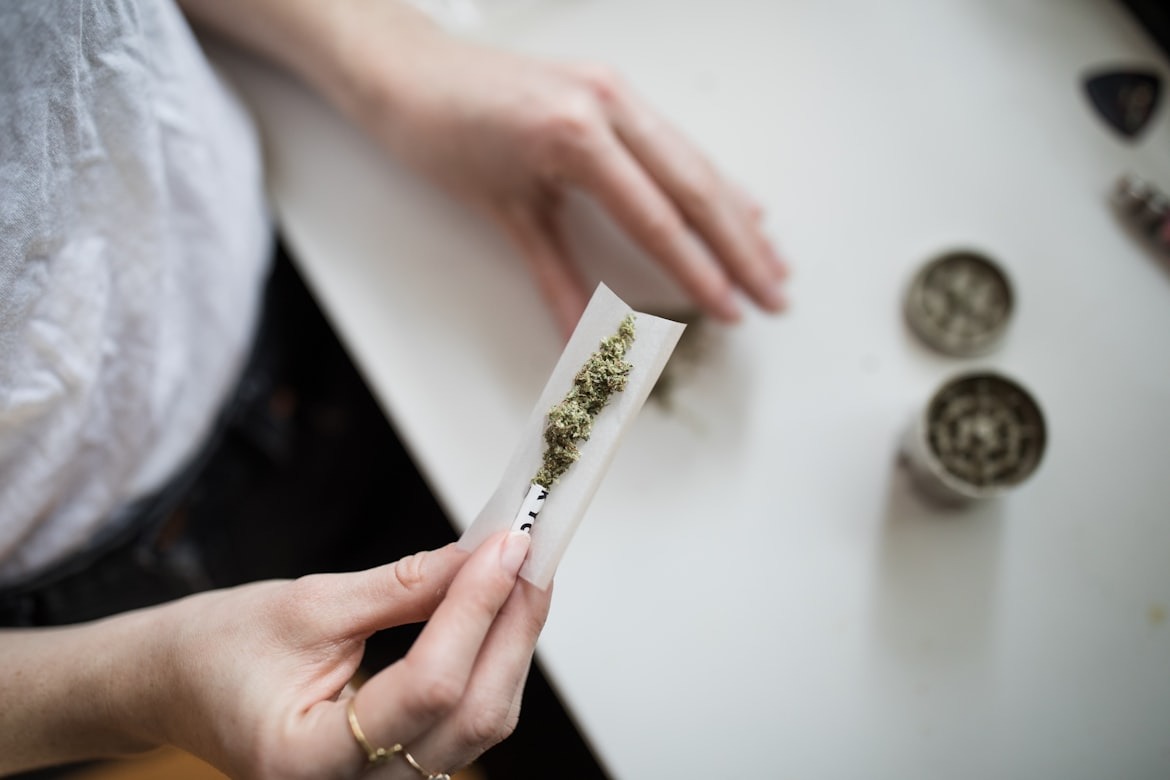
- Ohio generally allows cannabis consumption in private settings, not public places.
- SB 56 tightened rules around possession, transportation, hemp-derived products, and public use.
- Vehicles, public parks, sidewalks, restaurants, bars, and many venues remain off-limits for consumption.
Cannabis Public Use Regulations in Ohio
Ohio’s cannabis laws have come a long way, but they still leave plenty of room for confusion, especially around where you can actually consume. Knowing your rights is one thing. Knowing where those rights end is what keeps you on the right side of the law. Whether you’re a longtime medical patient or someone exploring adult-use cannabis for the first time, understanding Ohio’s public use regulations is worth doing before you open that edible or step outside. If you’d like to talk through your questions in person, our teams at UpLift Milford and UpLift Mt. Orab are here to help.
Last reviewed: April 2026. Reflects current Ohio law under Senate Bill 56, which took effect March 20, 2026.
What Senate Bill 56 Changed for Ohio Cannabis Consumers
Ohio voters approved Issue 2 in November 2023, legalizing adult-use cannabis for those 21 and older. Adult-use sales began in August 2024. In late 2025, the Ohio General Assembly passed Senate Bill 56, which Governor DeWine signed on December 19, 2025. SB 56 rewrote significant portions of the voter-approved law and took effect on March 20, 2026.
Under SB 56, adults 21 and older can legally possess up to 2.5 ounces of cannabis plant material and up to 15 grams of cannabis extract. Home cultivation is capped at six plants per adult, with a household maximum of twelve plants. The law governs the regulatory structure for adult-use sales through licensed dispensaries and defines possession limits for both private and public settings. It also reinforces restrictions on public consumption, aligning them with Ohio’s existing smoking bans.
One practically important update under SB 56 involves hemp-derived products. The Ohio Division of Cannabis Control (ODCC) now treats intoxicating hemp-derived products differently than standard hemp. As of March 20, 2026, intoxicating hemp-derived products such as Delta-8 can no longer be sold at unlicensed retailers like gas stations, vape shops, or convenience stores. SB 56 did not authorize the sale of these products through licensed dispensaries either. A legislative carveout that would have temporarily allowed intoxicating hemp beverages was removed by Governor DeWine’s line-item veto. If you previously purchased these products outside the licensed cannabis system, that option is no longer available in Ohio.
What SB 56 did not do is give consumers blanket permission to consume anywhere they please. The framework draws a firm line between what’s legal to possess and where consumption is actually allowed.
The Key Distinction: Private Spaces vs. Public Places
If there’s one concept anchoring Ohio’s cannabis laws, it’s this: private is generally permitted, public is generally not. That divide shapes nearly every real-world situation you’ll encounter as a cannabis consumer in Ohio.
Private spaces, typically your home or designated areas on property you own or have permission to use, are where legal consumption is most clearly protected. Public places face strict prohibitions that mirror how Ohio handles tobacco in similar settings. The tricky part is that the line between private and public isn’t always obvious.
The table below summarizes key consumption settings at a glance:
| Setting | Generally Permitted? | Key Caveats |
|---|---|---|
| Private residence (owned) | Yes | Must comply with SB 56 home-use provisions |
| Renter’s home/apartment | Conditional | Permitted unless lease prohibits it |
| Backyard / private outdoor space | Conditional | Not permitted if also a childcare facility, halfway house, or community residential center |
| Public park / sidewalk / street | No | Prohibited under SB 56 |
| Bar, restaurant, or public venue | No | Prohibited by smoking bans and venue policies |
| Inside a vehicle | No | Consumption prohibited for drivers and passengers; products must be in original unopened packaging, or if opened, stored in the trunk (or behind the last upright seat if the vehicle has no trunk) |
| Event/venue (private land) | Conditional | Venue or event host may prohibit regardless of state law |
Medical cardholders are subject to the same public consumption restrictions as adult-use consumers. A medical card does not expand where use is permitted.
Consuming Cannabis at Home and on Private Property
Home consumption is the clearest and most protected scenario under current Ohio cannabis laws. If you own your home and want to consume there, state law is solidly on your side, provided the property is not also a childcare facility, halfway house, or community residential center.
Renters operate in a different reality. Even if state law permits home consumption, your lease may not. Landlords have the legal authority to prohibit cannabis use on their properties, and violating that restriction carries real consequences. Before consuming at home, review your lease carefully. Ohio’s regulatory framework gives the state a say in what’s legal, but individual property rules still belong to the property owner.
If you grow cannabis at home, note that SB 56 layers additional requirements on top of the plant-count limits. Home cultivation must take place at your primary residence, in an area that prevents access by anyone under 21, and plants cannot be visible from a public place by normal unaided vision. Home grow is also prohibited at childcare facilities, halfway houses, and community residential centers.
Shared Outdoor Spaces: Porches, Yards, and Gray Areas
A porch on a private single-family home is generally considered private property, but it’s also visible to neighbors and the general public. That visibility can create complications. Consuming in a private backyard is meaningfully different from consuming in a shared apartment courtyard or on a front stoop facing a public street.
Local ordinances can also layer additional restrictions on top of state law. Ohio municipalities may have rules that are stricter than the state baseline, so it’s worth verifying the specific rules in your city or county before making plans. Using discretion in shared or semi-visible outdoor spaces protects you legally and keeps things considerate toward your neighbors.
Where Cannabis Consumption Is Generally Prohibited in Ohio
Ohio law explicitly prohibits public consumption, and the categories covered are broad. This applies to all forms of consumption, not just smoking. Using cannabis at a public park, on a sidewalk, outside a business, or in any publicly accessible space is not permitted under SB 56.
Bars, restaurants, and other public-facing venues are prohibited spaces under Ohio’s smoking bans. Even cannabis-friendly businesses cannot allow on-site consumption without a specific license for it. No matter the atmosphere, consuming inside a licensed food or beverage establishment puts both you and the business at legal risk. Ohio’s regulatory framework, as overseen by the ODCC, keeps consumption tied to private settings.
Cannabis in Vehicles: What Every Driver and Passenger Should Know
Consuming cannabis in a vehicle, whether moving or parked on a public road, is not permitted in Ohio. This applies to both drivers and passengers. The logic mirrors open container laws for alcohol: possessing it legally is one thing, actively consuming it in a vehicle is another.
Why In-Vehicle Consumption Carries Serious Penalties
Passengers should be aware that the consequences here are more serious than many realize. Under SB 56, smoking, combusting, or vaporizing cannabis in a vehicle while the driver is operating it is a third-degree misdemeanor, which carries a mandatory minimum jail term on a first offense. This is not a minor infraction.
How to Store and Transport Cannabis in Your Vehicle
You may transport cannabis within legal possession limits, but storage matters. Under SB 56, cannabis being transported in a vehicle must either remain in its original, unopened dispensary packaging, or – if the packaging has been opened – be stored in the trunk. In vehicles without a trunk, opened products must be placed behind the last upright seat or in an area not normally occupied by the driver or passengers and not easily accessible to the driver. Violations are classified as a minor misdemeanor.
For anyone transporting a purchase from one of our dispensaries, keeping products in their original, unopened packaging and stored in the trunk – or behind the last upright seat in vehicles without a trunk – is the safest and most compliant approach. If you have questions about packaging or storage when you pick up your order, our staff is happy to walk you through it before you head out.
Cannabis from Other States Is Not Legal in Ohio
One important change to be aware of: cannabis purchased legally in another state, such as Michigan, cannot legally be possessed in Ohio. Only cannabis purchased at an Ohio-licensed dispensary or legally home-grown falls within the state’s adult-use protections. Bringing product across state lines is a minor misdemeanor under state law, in addition to remaining a federal offense.
When Landlords, Venues, and Event Hosts Make Their Own Rules
Ohio’s cannabis laws create a statewide floor, not a ceiling. One practically significant update in SB 56 is that it explicitly extended landlord authority to include vaping, not just smoking. Landlords can now prohibit vaping cannabis in lease agreements, and tenants may face eviction or other penalties for vaping on-site if the lease restricts it. Renters should review their leases with this in mind, especially if they use vaporizers or other inhalation products.
Beyond residential leases, private venues and event organizers retain the right to set policies that go beyond state law. A venue can prohibit cannabis on its grounds even when an event is held on private property. An event host can designate their space cannabis-free as a condition of entry. Before attending a private event or consuming anywhere outside your own home, take a moment to understand the host’s policies.
If you have questions about where these rules apply in the Cincinnati area or in communities like Milford or Mt. Orab, we’re always available to help you think through your specific situation.
Medical Patients: Understanding Your Public Use Rights
A common point of confusion among medical cardholders is whether patient status grants additional flexibility around where they can consume. Under current Ohio law, it does not. Medical cannabis patients operate under the same public use restrictions as adult-use consumers.
A medical card expands what products you may access and, in some cases, your possession limits. It does not create exceptions to the public consumption prohibitions established under SB 56 and enforced by the ODCC. Patients should plan their consumption with the same private-setting expectations as any adult-use consumer.
Check Local Rules and Event Policies Before You Make Plans
Ohio operates under a patchwork of local and state regulations. Individual municipalities can adopt ordinances that build on statewide restrictions, and some cities have stricter rules around public consumption or local events held on public land. What’s true at the state level may not capture everything that applies in your specific city or township.
Before making plans that involve cannabis, check both state-level guidance from the ODCC and the specific rules in your community. Event websites and venue policies are also worth reviewing ahead of time. Staying informed protects you and helps ensure the experience stays positive.
Have Questions? Visit UpLift and Shop Responsibly for At-Home Use
Talk to Our Team
Since home consumption remains the clearest and most protected option under Ohio cannabis law, sourcing quality products from a trusted dispensary matters. At UpLift, we’re a locally owned Ohio dispensary serving Cincinnati and surrounding communities throughout Southwest Ohio. Our staff brings genuine expertise to every interaction and is here to help you find the right products, whether you’re a new adult-use consumer or a medical patient with specific needs.
What We Offer
We carry a wide selection of flower, edibles, vaporizers, concentrates, and topicals, along with the accessories to go with them. Education is a real part of what we do here, not just a talking point. We want the experience to feel approachable at every level of familiarity with cannabis.
Visit Us or Get in Touch
If you have questions about Ohio’s cannabis regulations or want guidance on products suited for at-home use, visit us at UpLift Milford or UpLift Mt. Orab, or contact us ahead of your visit. This article is meant as general educational guidance based on state-level rules, not legal advice. For questions about how specific regulations apply to your situation, we always recommend consulting official ODCC resources or a qualified legal professional.
person making cannabis joint by Thought Catalog is licensed with Unsplash License
Frequently Asked Questions
Can you use cannabis in public in Ohio?
No. Ohio law generally prohibits consuming cannabis in public places, including parks, sidewalks, streets, businesses, restaurants, bars, and other publicly accessible spaces.
Where is cannabis consumption generally allowed in Ohio?
Cannabis consumption is generally allowed in private spaces, such as a private residence, as long as the property is not subject to restrictions from a lease, venue policy, childcare facility rule, halfway house rule, or community residential center rule.
Can drivers or passengers consume cannabis in a vehicle in Ohio?
No. Cannabis consumption is prohibited for both drivers and passengers in vehicles, whether the vehicle is moving or parked on a public road.
Does an Ohio medical marijuana card allow public cannabis use?
No. Medical marijuana patients are subject to the same public consumption restrictions as adult-use consumers, and a medical card does not create an exception for public use.