Shop Now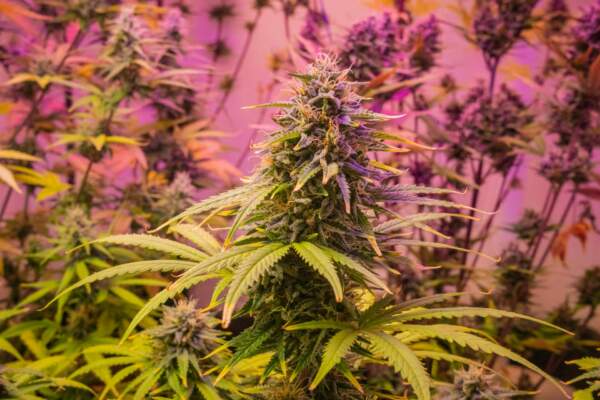
- Format matters just as much as strain type, especially when onset time, duration, and ease of dosing are part of your decision.
- Reading CBD:THC ratios, terpene listings, and serving sizes helps you shop more confidently and avoid guesswork.
- Starting low, tracking your experience, and shopping through a licensed Ohio dispensary can make the process feel much more manageable.
Cannabis Shopping Guide for People Living with Arthritis
Arthritis affects millions of Americans, and plenty of them are quietly exploring new ways to support their comfort and daily routines. Whether you’ve never set foot in a dispensary or you’re just trying to make smarter choices about what you’re already buying, having a solid shopping framework really does change the experience. This guide is built to help you walk into a dispensary with confidence, make sense of what’s on the shelves, and ask better questions.
At UpLift, we help shoppers in the Cincinnati area and beyond make informed, comfortable decisions. Stop by our Milford location or our Mt. Orab dispensary and we’ll walk you through your options.
Why People Living with Arthritis Are Exploring Cannabis Products
Cannabis has become a regular topic in wellness conversations, and many people are exploring the wide variety of product formats, cannabinoid profiles, and consumption methods now available. At UpLift, we see shoppers from all walks of life drawn to learning more about what’s on our shelves and how different products compare.
But it goes beyond curiosity. A lot of customers are specifically looking for options that fit naturally into their existing routines. Predictability, ease of use, and consistency matter a great deal when you’re already navigating daily physical challenges. That’s really the spirit behind this guide: helping you shop with intention rather than just instinct.
Understanding Strain Characteristics: Indica, Sativa, and Hybrid
Before diving into product formats, it helps to understand how cannabis strains are categorized and what those categories actually mean in practice. The traditional indica, sativa, and hybrid breakdown reflects broad differences in consumer experience profiles. That said, effects are shaped by a product’s full cannabinoid and terpene composition, not just its plant classification, and individual responses vary widely.
Indica-Leaning Options
Indica-leaning strains are traditionally categorized by their plant characteristics and consumer experience descriptions, and many shoppers choose them for evening use based on their reported profiles. Myrcene is a terpene you’ll commonly see in indica-leaning products, and it contributes to that relaxing character. Many shoppers we talk with who like winding down at the end of the day gravitate toward these for exactly that reason.
Sativa-Leaning Options
Sativa-leaning strains are traditionally associated with different consumer experience profiles than indica-leaning varieties. They’re typically described as lighter and more cerebral, making them a natural fit for daytime use when staying alert and engaged matters. If you want something that won’t feel heavy or sedating, sativa-leaning products are worth a look.
Hybrid Options
Hybrids pull from both indica and sativa profiles, offering a more balanced experience that blends mild relaxation with a subtle uplift. That flexibility makes them practical for shoppers whose preferences shift depending on the time of day. The specific ratio of each influence varies by product, so it’s always worth asking our team what a particular hybrid leans toward before committing to a purchase.
Choosing the Right Product Format for Your Lifestyle
Strain type is only part of the picture. The format you choose determines how quickly you feel effects, how long they last, and how easily it fits into daily life. We carry a wide range of formats at our Cincinnati-area locations, so you’re not locked into a single approach. The right choice usually comes down to your experience level, your preferences for onset and duration, and whether you’re looking for localized or whole-body effects.
| Format | Onset Time | Duration | Discretion Level | Ease of Dosing | Beginner Suitability |
|---|---|---|---|---|---|
| Topicals/Balms | 15–30 minutes | 2–6 hours | High | Easy | Yes |
| Tinctures/Oils | 15–30 minutes | 2–4 hours | Moderate | Easy | Yes |
| Edibles/Capsules | 30 min–2 hours | 4–8+ hours | High | Easy | With caution |
| Inhalables (Vapes) | 1–10 minutes | 1–3 hours | Moderate | Moderate | Proceed cautiously |
Topicals and Balms
Topicals are applied directly to the skin over a specific area, delivering cannabinoids locally. Standard balms and creams are unlikely to produce intoxicating or systemic effects for most consumers at typical commercial doses, which is what makes them so approachable. No dosage guesswork, just a straightforward and discreet application. For shoppers who are new to cannabis or cautious about psychoactive effects, topicals are honestly one of the most approachable starting points we offer.
Tinctures and Oils
Tinctures offer a level of dosing flexibility that most other formats simply can’t match. Taken under the tongue, the oil absorbs relatively quickly and lets you measure with real precision, which is especially useful when you’re still figuring out what works for your body. They can also be added to food or drinks, though absorption will be a bit slower that way.
Edibles and Capsules
Edibles and capsules typically deliver the longest-lasting experience of any format, which suits shoppers looking for extended duration rather than immediate effects. The trade-off is a slower onset, anywhere from 30 minutes to two hours, depending on metabolism and recent food intake. Starting with a low dose and waiting before taking more isn’t just good advice with this format, it’s essential.
Inhalables
Vaporizers deliver cannabinoids quickly, making them popular among experienced users who want faster onset and real-time control over their experience. For shoppers with lung sensitivity, this format warrants some extra thought. We’re happy to walk you through the options and help you decide whether it’s a good fit for your situation.
Thinking About Potency and Intensity Preferences
Knowing how to read cannabinoid profiles helps you decode labels and shop with more confidence. Here’s a quick breakdown of the key terms you’ll run into:
CBD is a cannabinoid that shows up across every product format and is available in various potency levels. THC tends to produce more noticeable effects and is the cannabinoid most associated with psychoactivity. A balanced CBD:THC ratio can be a smart starting point for shoppers who want to explore THC without jumping straight into high-potency territory.
Full-spectrum products contain the complete range of cannabinoids and terpenes found in the plant, including trace amounts of THC. Broad-spectrum products keep that range but remove THC, while isolates contain a single cannabinoid in pure form. Shoppers who prefer subtlety or want to avoid THC entirely will find broad-spectrum and isolate options particularly well-suited to their needs.
Terpenes also contribute meaningfully to a product’s overall character. Myrcene, common in indica-leaning strains, is associated with earthy, herbal aromatic profiles. Beta-caryophyllene is another terpene frequently noted for its spicy, peppery character and is unique among terpenes in its ability to interact directly with cannabinoid receptors. When you’re shopping, checking the terpene listing gives you a more complete picture of what to expect beyond just cannabinoid content.
How to Start Low and Find What Works for You
Start low, go slow isn’t just a cautious disclaimer. It’s a genuinely practical shopping principle that protects your experience and gives you useful data about how your body responds to different products. Your first experience with a new format shapes your expectations, and starting modestly gives you real information to build on.
Some general guidance: with edibles and capsules, 2.5 mg THC is the widely recommended starting point for first-time consumers. Once you’ve tested that and understand how your body responds, 5 mg is a modest next step. If you’d prefer to minimize psychoactive effects, high-CBD options are worth considering. With tinctures, begin with a small dropper amount and adjust gradually over several sessions. Whatever format you try, test it at home or in the evening first so you can actually pay attention to the experience in a low-stakes setting.
Keeping a simple journal is more useful than it sounds. Write down the product name, format, dose, and how you felt over the following hours. After a few weeks, patterns become surprisingly clear. Before you settle on a starting dose, come talk it through with us. Check out our current specials and stop in to speak with one of our team members at either location.
What to Look for on Product Labels When You Shop
Cannabis product labels carry a lot of useful information, and knowing how to read them genuinely changes how confidently you can shop. Here’s what to pay attention to:
- CBD:THC ratio — tells you the cannabinoid balance and gives you a sense of how psychoactive the product is likely to be
- Potency per serving — listed in milligrams; essential for dosing accurately
- Strain type — indica-leaning, sativa-leaning, or hybrid, as a general experience guide
- Terpene listings — when included, these help characterize the product’s profile beyond just cannabinoid content
- Full-spectrum vs. broad-spectrum vs. isolate — indicates whether trace THC is present and how complex the cannabinoid profile is
- Serving size — pay close attention here with edibles and capsules, where it’s easy to misjudge
- Ingredients and additives — particularly relevant for topicals, edibles, and flavored products
Always shop at a licensed dispensary. Products sold through Ohio-licensed retailers like UpLift meet the standards set by the Ohio Division of Cannabis Control, meaning they’ve been tested for contaminants including pesticides and heavy metals. That quality assurance simply doesn’t exist with unregulated sources.
Talk to the UpLift Team Before You Buy
Shopping for cannabis when you’re managing something like arthritis is different from casual browsing, and you really don’t have to figure it out on your own. Our staff are trained cannabis educators whose focus is helping you find the right product for your lifestyle, experience level, and preferences. They’re not here to push a sale. They’re here to listen and actually help.
UpLift serves Cincinnati, Ohio and the surrounding communities as a locally owned, Ohio-operated dispensary focused on quality, education, and a stigma-free experience. We were recognized nationally as a Top Non-Medical Marijuana Dispensary of 2025 by Cannabis Business Insights, which reflects the kind of commitment to our community we take seriously.
One important note: cannabis is not a medical treatment, and nothing in this guide should be taken as medical advice. If you’re managing arthritis or any other health condition, please talk with your physician or pharmacist before adding cannabis to your routine, especially if you’re currently taking medications.
Whether you’re visiting for the first time or refining a routine you’ve already started, we’re ready to help. Contact our team with any questions, or stop by our Milford location or Mt. Orab dispensary to speak with us directly. We’d love to help you find something worth trying.
Important: Cannabis affects individuals differently based on body chemistry, tolerance, and product composition. Nothing in this guide constitutes medical advice; please consult a licensed healthcare provider before use, especially if you take medications or have an existing health condition.
Frequently Asked Questions
What cannabis formats are most approachable for people living with arthritis?
Topicals and balms are often among the most approachable options because they’re applied directly to a specific area and are unlikely to produce intoxicating or systemic effects for most consumers at typical commercial doses. Tinctures are another beginner-friendly format because they offer precise, flexible dosing.
What do indica, sativa, and hybrid labels actually tell you when shopping?
These labels offer a broad experience guide, but they don’t tell the whole story. Effects are shaped by a product’s full cannabinoid and terpene composition, not just plant classification, so it’s smart to treat indica, sativa, and hybrid as a starting point rather than a guarantee.
How should beginners think about THC, CBD, and starting doses?
A balanced CBD:THC ratio can be a smart entry point for shoppers who want to explore THC without jumping straight into higher-potency products. For edibles and capsules, 2.5 mg THC is a widely recommended starting point for first-time consumers, with 5 mg as a modest next step once you understand how your body responds.
What should you check on a cannabis label before buying?
Pay attention to the CBD:THC ratio, potency per serving, strain type, terpene listings, whether the product is full-spectrum, broad-spectrum, or isolate, the serving size, and any ingredients or additives. These details make it much easier to compare products and shop with confidence.
Image by Keloke Grow is free to use under the Pexels License.