Shop Now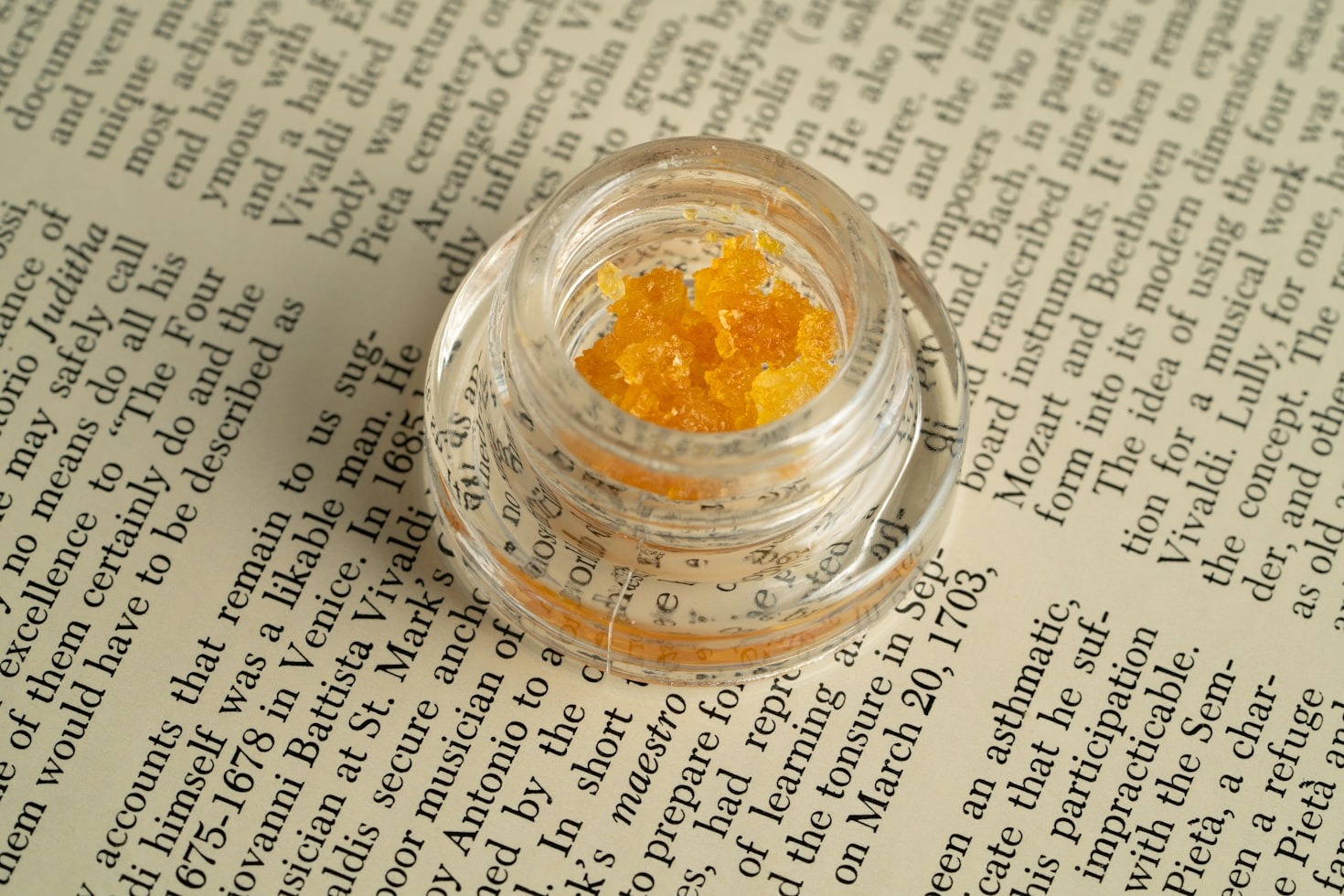
- Start with solventless methods (dry sift → dry ice → ice water) to minimize risk while still producing high-quality concentrates.
- For rosin, use 140–220 F and choose the right micron bag (finer for hash, coarser for flower) to balance yield and quality.
- Store concentrates airtight, cool, and dark (60–70 F) to protect potency; most last 18–24 months when stored properly.
How To Make Cannabis Concentrate at Home
Homemade cannabis concentrate has become popular among Ohio’s weed fans who want their own quality products. Some methods need special equipment, but plenty of safe techniques let you create potent concentrates using basic tools. Our team at UpLift guides you through both solventless options and simple solvent methods that prioritize safety.
Safety Considerations for Home Extraction
Always put safety first when making concentrates at home. Open-loop solvent extraction is hazardous and isn’t recommended due to the risk of explosions, chemical exposure, and serious injury. For typical consumer use, avoid anything involving butane, propane, or flammable materials.
Use heat-resistant gloves for burn protection, wear long sleeves and closed-toe shoes, and remember to use safety goggles to shield your eyes from hot rosin splatter. Keep your work area clean and clutter-free. Ensure that you have good airflow, place equipment on flat surfaces so nothing tips over, and keep a fire extinguisher handy.
Ice-water methods surpass solvent-based extraction in many ways — you don’t need a special room, it’s less expensive, and legal compliance is easier. If you’re a beginner, start with dry sifting, and then try dry ice hash once you’ve got proper gear and ventilation. Finally, move to ice water extraction. These solventless approaches eliminate the risk of explosion but still create high-quality concentrates.
Solventless Methods: Rosin Pressing and Ice Water Hash
The safest methods to make concentrates don’t use any chemicals. Kief collection uses a three-chamber grinder to collect the trichomes naturally. If you’re ready for more, try dry sifting with pollen boxes or mesh bags. You’ll get the best results from 70μ to 120μ screens. Dry ice methods need specific micron bags (sizes 90, 120, and 160) to separate different quality grades.
Bubble hash, also known as ice water hash, gives you extremely clean concentrate without chemicals. Mix cannabis with ice and cold water, and agitate gently to knock the trichomes loose. Use different-sized filter bags to collect various grades. Remember to keep the water ice cold, as warm water ruins the trichomes and wastes your material.
Rosin pressing uses heat and pressure instead of solvents. There are three main types of press:
- Manual presses: These are inexpensive and good for beginners.
- Hydraulic presses: These are more consistent, with better yields.
- Pneumatic presses: These offer precise control and are designed for professionals.
Set temperatures between 140 F and 220 F — higher for flower, lower for hash. The potency matches butane hash oil (BHO) fairly closely: rosin hits 60%-80% THC while BHO reaches 80%-95%. The right micron bag matters too — use a finer one for hash and a coarser one for flower.
Simple Solvent-Based Extractions
Never try complex hydrocarbon extraction at home, although alcohol-based methods can work safely if you’re careful. Tinctures are the easiest — just soak your cannabis in high-proof alcohol to extract the product. Remember to open the windows and avoid flames when working with alcohol.
The potency increase as you go from flower to concentrate is considerable. Flower typically has 10%-25% THC, but concentrates can have 50%-90% THC or more, which is why tiny amounts can be so strong. Different types of concentrates have different strengths as well:
- Shatter: 70%-90% THC with a glass-like appearance
- Wax: 60%-80% THC with a soft, dough-like texture
- Live resin: 70%-85% THC in a sticky, saucy form
- Rosin: 60%-75% THC with a sap-like consistency
- Distillate: 90-95% THC, clear and thick like honey
Always start small — cannabis has gotten more potent over the years.
Infusing Cannabis Into Oils and Butters
Making infused oils means understanding decarboxylation. This process converts tetrahydrocannabinolic acid (THCA) to THC and cannabidiolic acid (CBDA) to CBD. The oven method works well: preheat to 240 F (115 C), break up your raw materials, spread them on a baking sheet, and bake for 30-40 minutes, stirring occasionally. Keep the temperature between 220 F and 240 F (104 C to 116 C). Once finished, store at 70 F (21 C) with humidity under 65%.
Traditional tinctures use high-proof alcohol to pull out THC, CBD, terpenes, and flavonoids. Modern ones often use medium-chain triglyceride oil for better taste and absorption. Drop tinctures under your tongue for 15-30 seconds, and you’ll feel the effects in 15-30 minutes. If you swallow them instead, you’ll wait 45-90 minutes to feel the effects, just like edibles. If you want vape juice, warm-cure your rosin in a sealed jar on low heat for an hour. Add a few drops of terpenes per gram to thin it out.
Correct dosing prevents bad experiences. Beginners should stick to 1-2.5 mg THC per serving, and moderate users can handle 5-10 mg. Only experienced users should try over 10 mg, and only if they know their limits. Remember to take it slow — edibles take 30 minutes to two hours to kick in, peak at two to four hours, and can last eight hours or more.
Storing and Using Your Homemade Concentrates
Good storage keeps your concentrates potent and tasty. Use airtight, dark containers and keep the temperature between 60 and 70 F (15-21°C). Avoid oxygen, light, and heat. Most concentrates last for 18-24 months when stored properly. UV-protected glass is superior to plastic — it blocks light damage and doesn’t affect your product chemically. Direct sunlight can sap 20%-30% of potency within weeks.
Store rosin in airtight glass jars in the fridge. Keep all concentrates cool, dark, and dry. Silicone containers work well for sticky preparations. Quality checks are simple:
- Shatter should look clear and glass-like.
- Wax should have an even, buttery consistency.
- Oil should be clear without inclusions.
- Hash should look uniform.
- Live resin should be sticky with a strong aroma.
If your concentrate smells like chemicals or burning, something is off.
You have options for using your concentrates — dabbing means vaporizing a tiny bit on a hot surface, vape pens work great for oils, or you can just add concentrates to regular flower for an extra boost. Because concentrates are potent, use far less than you would with flower. Good concentrates smell like the strain they came from, and poor ones have an off smell. Trust your nose when it comes to cannabis products.
Making your own concentrates can bring real joy and save money when done properly. Be mindful of the differences in potency. Concentrates pack up to 90% THC, while flower maxes around 20%. DIY concentrates let you control exactly what goes in, giving you peace of mind. Plus, the process connects you more deeply to the plant itself.
Elevate Your Cannabis Experience With Quality Concentrates
If you’re interested in checking out professionally crafted concentrates or learning more, stop by one of our dispensaries in Cincinnati, Ohio, and see what our professionals are doing. Our team can show you how commercial and homemade concentrates stack up, helping you make smart choices about your cannabis journey. We’ve got the goods and knowledge to take your experience to new heights.
a small jar filled with yellow stuff sitting on top of a book by Nick Harsell is licensed with Unsplash License
Frequently Asked Questions
What’s the safest way to start making concentrates at home?
Begin with solventless methods like dry sifting, then progress to dry ice hash and finally ice water extraction once you have proper gear and ventilation.
What temperature should I use for rosin pressing?
Use 140–220 F: lower temps work well for hash (better flavor), while higher temps help press flower. Pair with the right micron bag (finer for hash, coarser for flower).
How do I decarb before making infused oils?
Bake at 220–240 F (104–116 C) for 30–40 minutes, stirring occasionally. Keep material spread thin and let it cool before infusing.
How potent are concentrates compared to flower?
Flower is often 10%–25% THC, while concentrates can range from 50%–90% THC or more. Always start with a very small amount.
What are best practices for storage and shelf life?
Use airtight, opaque containers in a cool, dark, dry place (60–70 F). Properly stored concentrates typically last 18–24 months.