Shop Now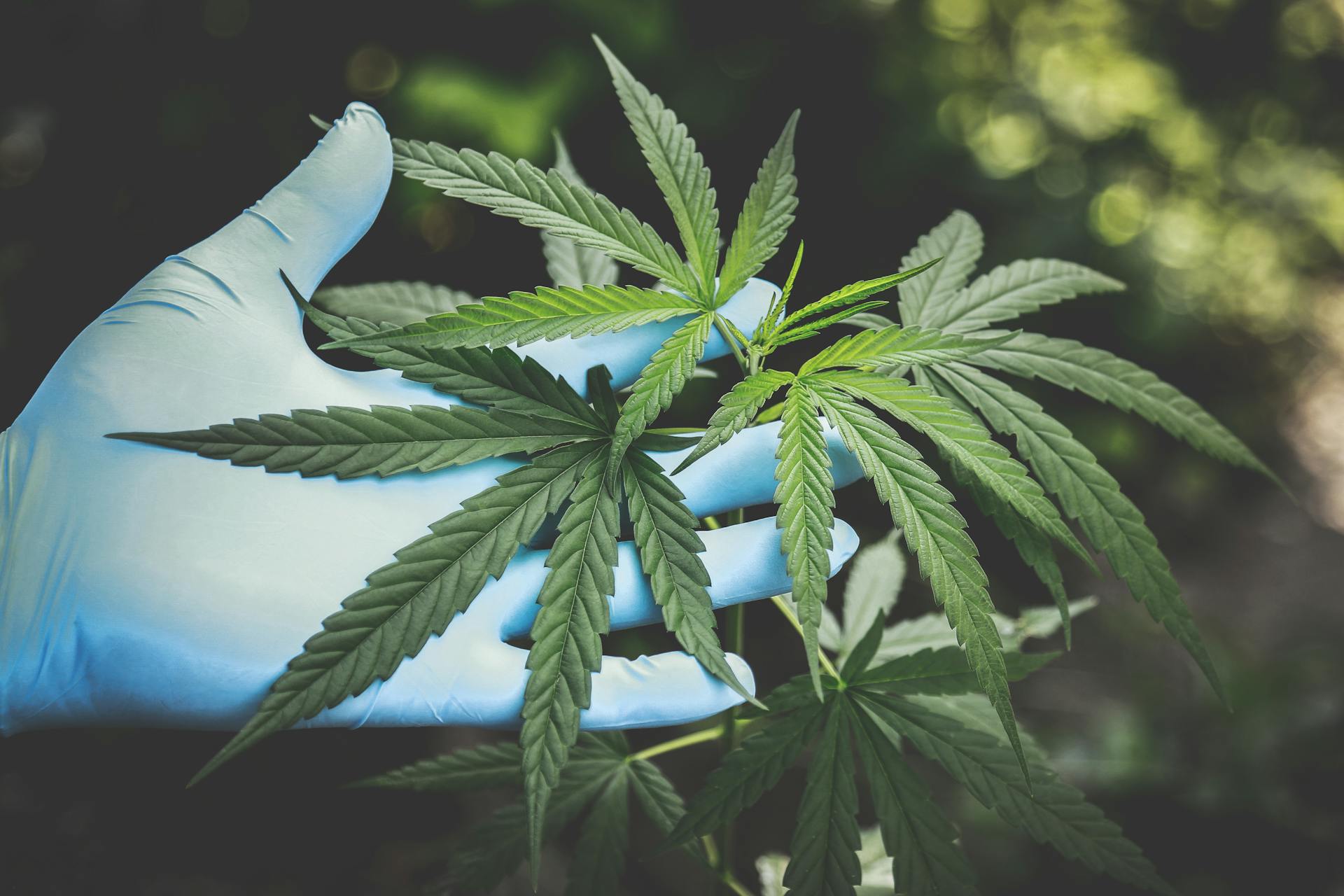
- Indoor = precision & consistency; outdoor = natural complexity & seasonal value.
- Indoor often shows denser structure and predictable potency; outdoor can feature broader cannabinoid/terpene diversity.
- Price differences reflect energy/equipment vs. sun-grown efficiencies—not automatic quality rankings.
Indoor vs Outdoor Grown Cannabis
When browsing flower options at dispensaries in Cincinnati and surrounding Ohio communities, you’ll often see cannabis labeled as indoor or outdoor grown. These aren’t just marketing terms – they represent fundamentally different cultivation approaches that shape everything from bud appearance to pricing. Understanding how growing methods affect your cannabis helps you make confident purchasing decisions that match your preferences and budget.
Understanding Indoor vs Outdoor Grown Cannabis
The distinction between indoor and outdoor cannabis starts with where the plants develop from seedling to harvest. Indoor cultivation happens in controlled warehouse environments where growers use artificial lighting systems, climate control equipment, and carefully monitored nutrients. Every variable gets adjusted with precision: temperature, humidity, light cycles, airflow, and CO2 levels.
Outdoor cultivation (sometimes called sungrown) relies on natural sunlight, soil, and seasonal weather patterns. Plants grow under the sun’s full spectrum, developing in large outdoor plots or greenhouses with open-air exposure. Growers still manage nutrients and pest control, but nature handles the lighting and climate.
Neither method is inherently superior. Indoor growing offers consistency and control, while outdoor cultivation provides natural complexity and efficiency. The choice depends entirely on what characteristics you value most in your cannabis experience.
How Growing Environment Shapes Cannabis Quality
Growing environment influences far more than where plants physically develop. It shapes the chemical composition, physical structure, and sensory experience of the final product. Think of it like wine varietals: the same grape strain produces different characteristics depending on where and how it’s cultivated.
Cannabis responds to its environment by adjusting cannabinoid production, terpene development, and physical growth patterns. Controlled indoor conditions produce different results than variable outdoor elements, creating distinct products despite starting from identical genetics.
Indoor Cultivation: Controlled Precision
Indoor growers manipulate every environmental factor to fine-tune specific traits. Artificial LED or HPS lighting mimics ideal sun exposure while avoiding weather-related stress. Climate systems maintain perfect temperature ranges and humidity levels, preventing mold while encouraging trichome production. CO2 supplementation, nutrient delivery schedules, and airflow patterns get adjusted throughout each growth stage.
This precision yields consistent results batch after batch. Plants develop smaller, denser bud structures with concentrated trichome coverage. The controlled environment protects against pests and diseases without relying on heavy interventions. Indoor facilities operate year-round regardless of Ohio’s shorter growing season or unpredictable weather, ensuring steady product availability at dispensaries.
The trade-off? Indoor operations require substantial equipment investments and ongoing energy consumption. Lighting systems, HVAC equipment, and dehumidifiers drive up production costs, ultimately reflected in retail pricing.
Outdoor Cultivation: Nature’s Influence
Outdoor cultivation harnesses natural sunlight’s full spectrum, which many growers believe produces more complex terpene profiles than artificial lighting. Plants develop extensive root systems in open soil, accessing diverse nutrients and beneficial microorganisms that contribute to robust growth. Exposure to natural temperature fluctuations and wind stress can actually strengthen plant resilience.
The interaction between cannabis and its natural environment (similar to wine’s terroir concept) creates distinctive characteristics tied to specific growing locations. Ohio’s climate presents unique challenges, though. Shorter growing seasons limit outdoor cultivation windows, and variable weather patterns can affect consistency. Heavy rains, unexpected cold snaps, or humidity spikes introduce unpredictability that indoor growers avoid entirely.
Outdoor operations typically produce larger yields with lower per-gram production costs since sunlight and rain are free resources. However, harvest timing follows seasonal cycles, creating periodic availability rather than year-round production.
Aroma and Flavor: Why Growing Methods Matter
Your nose knows the difference before you even light up. Growing method significantly impacts terpene preservation and development, the aromatic compounds responsible for cannabis’s distinctive scents and flavors.
Indoor-grown flower often presents cleaner, more predictable aroma profiles. Controlled conditions protect delicate terpenes from degradation, maintaining the strain’s intended scent characteristics. You’ll typically encounter pronounced single notes (sharp citrus, pure pine, or distinct diesel) without as much complexity layered underneath.
Outdoor cannabis frequently develops richer, more nuanced flavor profiles. Natural environmental stressors encourage plants to produce diverse terpene combinations as defense mechanisms. The interaction with soil microbiomes, temperature variations, and natural UV exposure creates depth that many connoisseurs describe as earthier or fuller-bodied. You might detect multiple flavor notes evolving throughout your experience rather than one dominant profile.
Personal preference drives this choice entirely. Some consumers prefer the clarity and consistency of indoor flower’s aroma, while others seek the complex, multidimensional flavors outdoor cultivation produces.
Potency and Cannabinoid Differences
The question if indoor weed is stronger than outdoor weed oversimplifies how potency actually works. While indoor cannabis often tests at higher, more consistent THC levels due to fine-tuned growing conditions, outdoor flower can absolutely achieve comparable potency while offering something indoor growing struggles to replicate: balanced cannabinoid profiles.
Indoor cultivation’s controlled environment allows growers to push THC production through precise lighting schedules and nutrient delivery. Testing results tend to cluster within predictable ranges, making it easier to know what potency you’re getting batch after batch. However, focusing solely on THC percentages misses the bigger picture.
Outdoor cannabis typically develops more diverse cannabinoid profiles, including higher levels of minor cannabinoids like CBG, CBC, and CBN. Natural sunlight’s full spectrum and environmental variations encourage broader chemical complexity. This balanced profile can influence your overall experience in ways that raw THC numbers don’t capture.
Quality cultivation skill matters more than growing location. Experienced outdoor growers produce potent, well-balanced flower, while subpar indoor operations yield unremarkable results despite controlled conditions. When shopping at dispensaries around Cincinnati, asking about specific cannabinoid testing results gives you better information than assuming indoor automatically means stronger.
Visual Differences: How to Spot Each Type
Learning to identify indoor versus outdoor grown cannabis through visual inspection helps you understand what you’re purchasing before your budtender explains the details. Several physical characteristics reliably indicate growing method.
Bud Structure and Density
Indoor flower typically presents compact, dense bud structure. The controlled lighting and climate produce tightly packed calyxes that feel solid when gently squeezed. Nugs maintain uniform shapes with minimal stem visibility, creating visually appealing, chunky pieces.
Outdoor buds grow larger but airier, with looser structure from natural wind exposure and less intense light penetration. They often feel lighter relative to their size and may show more prominent stem structure. This doesn’t indicate lower quality, just different growing conditions producing different physical architecture.
Color and Trichome Coverage
Indoor cannabis often displays vibrant colors (bright greens, vivid purples, or rich oranges from pistils) because controlled environments protect pigmentation from sun bleaching. The frosty appearance comes from dense trichome coverage encouraged by optimized conditions. Buds look almost crystallized under proper lighting.
Outdoor flower tends toward darker green hues or occasionally brown tints from natural sun exposure and weathering. Trichome coverage may appear less pronounced because elements partially wear down the resinous coating. However, what outdoor buds lack in visual frost, they often compensate for in size and overall yield.
Neither appearance definitively indicates quality. Some gorgeous-looking indoor flower underperforms, while less photogenic outdoor buds deliver exceptional experiences.
Why Indoor and Outdoor Cannabis Are Priced Differently
Price differences between indoor and outdoor cannabis reflect production economics rather than automatic quality rankings. Understanding cost factors helps you evaluate whether premium pricing matches your priorities.
Indoor cultivation requires significant capital investment. Commercial-grade LED systems, HVAC equipment, dehumidifiers, and air filtration create substantial upfront costs. Ongoing operational expenses add up quickly: electricity for 24/7 lighting and climate control, specialized nutrients, and labor-intensive plant training. Lower yields per square foot compared to outdoor operations mean higher per-gram production costs that get passed to consumers.
Outdoor growing leverages free natural resources. Sunlight eliminates lighting costs, and rain reduces irrigation expenses. Larger growing spaces accommodate more plants with less infrastructure investment. Higher per-plant yields combined with lower operational costs create significant savings that translate to more affordable retail pricing.
Seasonal availability affects outdoor pricing too. Harvest-dependent supply means outdoor flower appears at dispensaries in larger quantities after fall harvests, sometimes creating competitive pricing during peak availability windows.
Choosing Between Indoor and Outdoor Cannabis
Your ideal choice depends on which characteristics you prioritize most. Here’s how the key differences break down:
|
Characteristic |
Indoor Cannabis |
Outdoor Cannabis |
|
Potency Consistency |
Higher, more predictable THC levels |
Variable, balanced cannabinoid profiles |
|
Flavor/Aroma |
Cleaner, predictable terpene preservation |
Richer, complex profiles from terroir influence |
|
Bud Appearance |
Dense, compact, frosty trichomes, bright colors |
Larger, airier buds, darker hues |
|
Price Range |
Higher (equipment and energy costs) |
Lower (natural resources, higher yields) |
|
Availability |
Year-round |
Seasonal (harvest-dependent) |
Budget-conscious consumers often appreciate outdoor flower’s value, especially when seeking larger quantities. Those prioritizing consistent potency and year-round availability lean toward indoor options. If complex flavors and balanced effects appeal to you, outdoor varieties deserve strong consideration.
Don’t let misconceptions guide your decision. Outdoor cannabis isn’t automatically inferior (skilled outdoor cultivation produces exceptional flower). Indoor growing doesn’t guarantee superior potency (cultivation expertise matters more than location). Quality depends on the grower’s skill, genetics, and post-harvest handling regardless of whether plants saw sunlight or LED lights.
Ohio’s medical and adult-use cannabis framework provides access to both cultivation methods, giving you genuine choice based on preference rather than limited availability.
Explore Premium Flower Options at UpLift
UpLift’s Milford and Mt. Orab locations carry carefully curated selections of both indoor and outdoor grown flower, giving you the opportunity to explore different growing methods and discover what works best for your preferences. Our knowledgeable staff can walk you through the specific characteristics of current inventory, explaining how cultivation methods influence the strains available.
Whether you’re drawn to the controlled precision of indoor cultivation or the natural complexity of sungrown flower, browsing UpLift’s current menu helps you understand how these differences translate to real products. Staff members can answer specific questions about growing practices, cannabinoid profiles, and seasonal availability that help you make informed choices.
Contact us for personalized guidance comparing indoor and outdoor options based on your specific preferences, or questions about how cultivation methods affect your experience. We are equipped to help you navigate these choices and find flower that matches exactly what you’re looking for.
Image by Aphiwat chuangchoem is free to use under the Pexels License
Frequently Asked Questions
Is indoor cannabis always stronger than outdoor?
Not necessarily. Indoor often achieves consistent THC, but well-grown outdoor flower can match potency while offering broader minor-cannabinoid balance.
Why is outdoor cannabis usually more affordable?
Outdoor leverages free sunlight and larger grow spaces, lowering per-gram costs. Indoor requires energy-intensive lighting and climate control.
How can I choose between indoor and outdoor at UpLift?
Decide what you value—potency consistency and dense structure (indoor) or complex flavor and seasonal value (outdoor)—then review UpLift’s menus and ask staff for current testing details.