Shop Now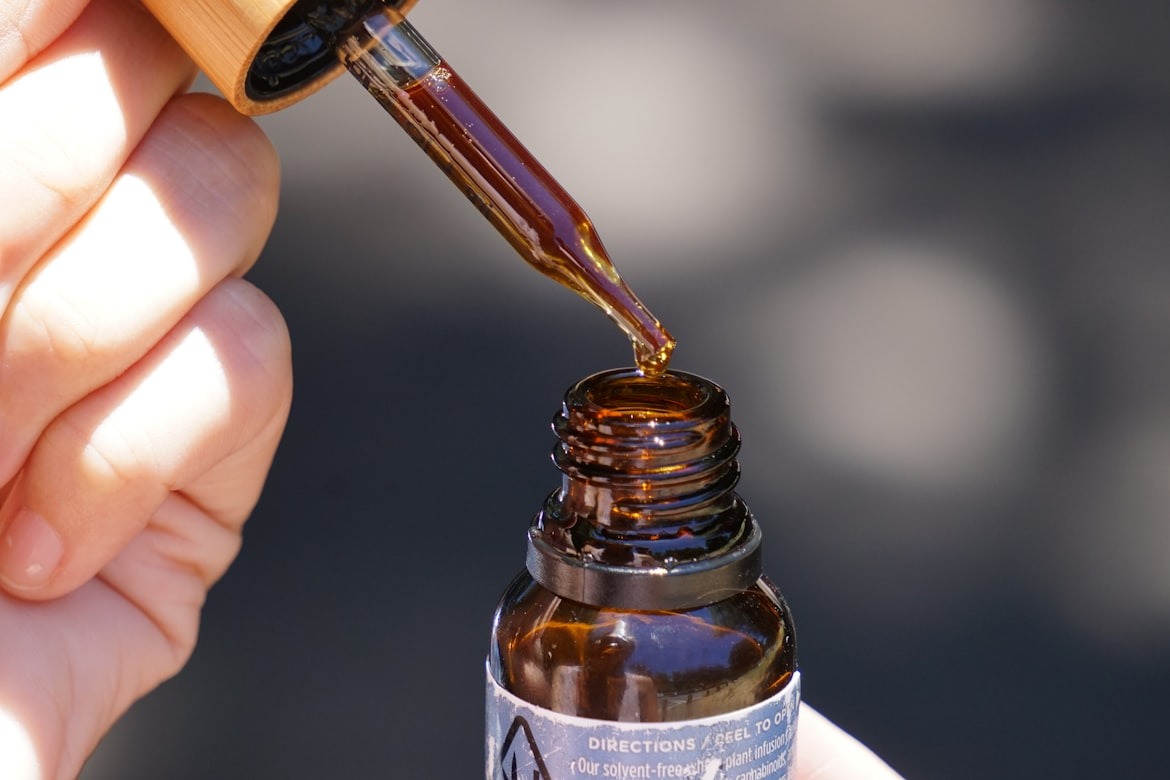
- Tinctures act faster (often ~15–60 minutes) via sublingual absorption; edibles are slower (≈45–120 minutes) but stronger and longer-lasting.
- Typical duration: tinctures ~1–3 hours; edibles ~4–12 hours due to conversion to 11-hydroxy-THC in the liver.
- Choosing comes down to goals: precision and discretion (tinctures) vs. all-day effects and flavor options (edibles); cost per mg can favor tinctures for regular use.
Tinctures vs. Edibles
When you visit a dispensary, you might find yourself overwhelmed by the number of cannabis products available, including the many tinctures and edibles. The choice between cannabis tinctures vs. edibles isn’t just about preference — it’s about how your body processes each one. These smoke-free alternatives work in completely different ways, and knowing those differences helps ensure you get the effects you’re looking for.
What Are Cannabis Tinctures?
Cannabis tinctures are bottles of liquid infused with cannabis. They’re made by soaking cannabis plant in alcohol or oil, which releases cannabinoids into the solution. Traditional tinctures use alcohol as a base, though modern tinctures often use medium-chain triglyceride oil derived from coconuts. You’ll find them packaged in small bottles with droppers — perfect for getting that exact dose every time.
Cannabis tinctures work best through a process known as sublingual administration. Apply a few drops under your tongue, and those cannabinoids absorb straight through your mucous membranes into your bloodstream. When taken sublingually, effects can be felt as soon as 15 minutes, hitting their peak at around one hour and lasting up to several hours.
Tinctures often allow for more precise dosing with a measured dropper, enabling you to administer an exact amount. If you don’t like the taste, you can mix some into your morning coffee or smoothie. One of the main benefits of tinctures is that they’re discreet — there’s no smell or vapor.
What Are Cannabis Edibles?
Cannabis edibles are food and drinks with cannabinoids mixed in. They include flavored gummies, chocolates, baked goods, and beverages. Production methods use various parts of the cannabis plant, including seeds, flowers, and leaf extracts, and processing methods, including drying, curing, and extraction techniques, to create consistent, safe products.
When you consume an edible, it goes through your digestive system and liver, where THC converts into 11-hydroxy-THC. That’s a more potent metabolite that creates stronger, longer-lasting effects.
Storage methods vary depending on your product. Gummies and hard candies typically last six to 12 months when stored in a cool, dry place. Baked goods should be consumed within a few days if made with perishable ingredients, lasting two to three days at room temperature, up to one week refrigerated, or up to three months frozen. THC-infused chocolates can retain their potency and flavor for several months.
Onset Time and Duration of Effects
This is perhaps the biggest difference between tinctures and edibles. Tinctures can start working in as little as 15 minutes, while edibles can take up to an hour or two to start producing therapeutic effects.
Why the big difference? Tinctures skip the digestive process when you take them sublingually. Those cannabinoids go straight through your mucous membranes and into your bloodstream. Edibles have to travel through your digestive system and get processed by liver enzymes. Your metabolism plays a huge role here, too. Individual metabolism rates significantly influence onset time, and consuming edibles on an empty stomach may lead to quicker effects. Since cannabis is fat-soluble, individuals with higher body fat percentages may experience delayed effects.
When dosed properly, the effects of tinctures typically last between one and three hours, whereas those of edibles might last between four and 12 hours. The longer duration of edibles is because 11-hydroxy-THC (that liver metabolite we mentioned) processes more slowly than THC absorbed under your tongue. That makes edibles perfect if you want all-day effects but not so great if you’ve got plans later.
Choosing Between Tinctures and Edibles
Your lifestyle and your desired effects are going to dictate which option works better for you. A cannabis tincture may be the best choice if you take medicinal marijuana and want quicker symptom relief. An edible could be your best option if you don’t mind waiting a little longer for the benefits to start working and want the effects to linger. Among current marijuana users, around 41.6% prefer edibles, making it the second-most popular method after smoking.
Cost is also something to consider. A 100 mg package of edibles typically costs around $15, while tinctures often cost $30 to $200, but many tinctures include two to five times as much cannabis as edibles. This means tinctures potentially provide more value for money if you’re a regular user, despite the higher sticker price.
Discover Quality Cannabis Products at UpLift
Ready to check out cannabis tinctures and edibles? At UpLift, we stock both options, along with a range of other cannabis products, at our Milford and Mt. Orab locations. Stop by today to check out our range, or contact us if you have any questions. We’ll help you find the right product to get the high you’re looking for.
person holding brown glass bottle by Elsa Olofsson is licensed with Unsplash License
Frequently Asked Questions
How fast do tinctures and edibles start working?
Tinctures taken sublingually can be felt in about 15–60 minutes and often peak around one hour. Edibles typically begin working in 45–120 minutes because they must be digested and metabolized by the liver.
How long do the effects last?
With proper dosing, tinctures usually last ~1–3 hours, while edibles can last ~4–12 hours due to the formation of 11-hydroxy-THC in the liver.
What’s an easy way to dose for beginners?
Start low and go slow. For tinctures, measure with the dropper and wait at least an hour before taking more. For edibles, begin with a low-milligram serving and wait the full 2 hours before considering another. If you need help choosing a starting dose, contact our team.
Can I mix tinctures into food or drinks?
Yes—mixing into coffee or a smoothie can mask flavor. For the fastest onset, hold the tincture under your tongue first (sublingual) rather than swallowing immediately.